
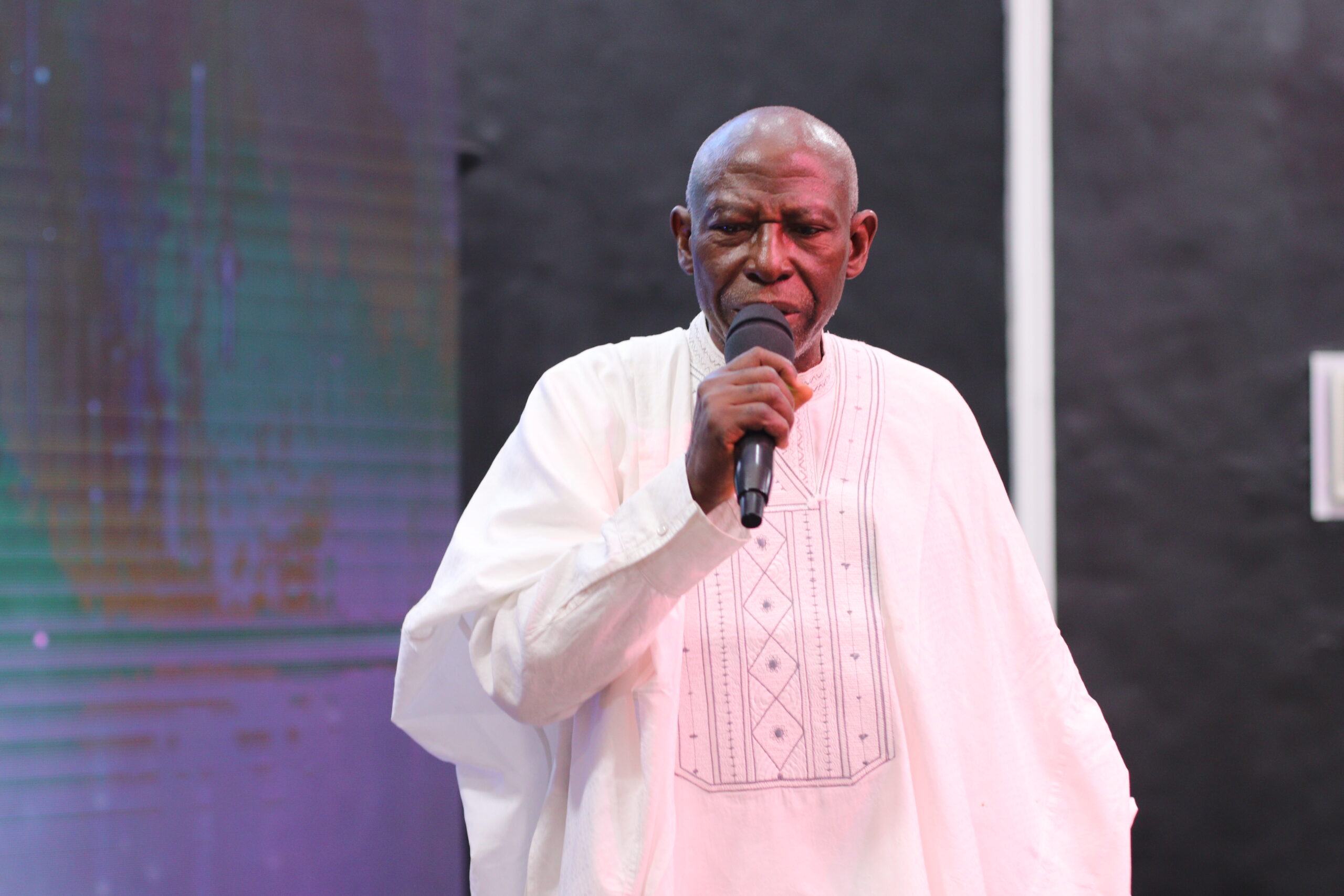
CAN Warns Rev. Omolehin: Believers Want Focus on Real Issues
When CAN warns Rev. Omolehin, many believers do not see only a clash of words. They see a deeper issue that has long troubled many Christians. The reaction from the Christian Association of Nigeria has pushed an old concern back into the open. Why does the Church often move quickly when famous names are involved, yet seem slower when ordinary believers face pain, persecution, injustice, and neglect?
CAN caution Rev Omolehin, Punch Newspaper. Read more
That question explains why this story has stirred emotion. It is not just about one statement or one response. It is about what many Christians now believe this moment represents. For them, this is another example of a pattern in which public energy rises when the reputation of powerful church figures comes under pressure. At the same time, the suffering of the flock struggles to get the same attention.
Respect for spiritual fathers matters. Wisdom in speech matters. Unity in the body of Christ matters. But justice matters too. Protection matters too. Accountability matters too. The pain of believers in difficult places matters too. That is why many Christians are no longer satisfied with polite explanations. They want to know whether Christian leadership still feels the weight of the real burdens that ordinary people carry every day.
“When the Church speaks faster for reputation than for suffering, believers cannot help but notice the difference.”
CAN Warns Rev. Omolehin and Many Believers Feel the Imbalance
The real pain here is not that CAN responded. Institutions respond all the time. The deeper pain is what seems to trigger the strongest urgency. If comments about respected leaders can produce a swift public warning, then many believers believe persecution, fear, and suffering should produce even stronger public action.
Have CAN and PFN abandoned their primary responsibility? Read more
This is where the imbalance becomes hard to ignore. Christians in Nigeria are carrying burdens that go far beyond verbal controversy. Many believers live with insecurity. Many worship with fear. Many communities still deal with grief, trauma, and uncertainty. Yet when people see a faster reaction to words about prominent men than to wounds among struggling believers, disappointment grows.
That disappointment is not rebellion. It is the cry of people who want leadership to reflect the heart of Christ more clearly. Christians expect the Church to defend truth, not just protect honor. They expect courage, not only caution. They expect leaders to speak when the matter is dangerous, painful, and costly, not only when the issue is embarrassing.
A body that moves quickly to protect the image but slowly to confront pain will eventually weaken trust. That is the danger many believers now see. Moral authority does not survive on title alone. It survives on consistency. Once people begin to think that an institution responds fastest when prestige is threatened, every future response starts to look selective.
Why CAN Warns Omolehin Feels Bigger Than One Controversy
This is why the story feels heavier than one disagreement. It has become symbolic. It now stands for a larger frustration among believers who are tired of selective urgency. Many Christians can handle correction. Many can accept rebuke when it is fair. But what becomes harder to accept is the impression that famous leaders receive stronger visible protection than wounded believers in the pews.
PFN and CAN accountability have become a subject in public conversations about faith and leadership. Read more
That perception creates distance between leadership and the people. It tells ordinary Christians that their pain may not carry the same urgency as the discomfort of men with influence. It sends the wrong message to grieving families, fearful worshippers, and young believers who still hope the Church will stand where the cost is high.
The Church is not only its most visible fathers. The Church is also the widow who prays through fear. The Church is also the pastor in a troubled region. The Church is the displaced believer, the confused young Christian, and the family asking whether anybody truly sees what they are facing. That is why many people say protecting big names is not the same as protecting the Church.
This concern will not disappear because it touches something very real. It touches trust. It touches credibility. It touches on whether Christian institutions still understand what many believers are silently carrying. When trust begins to shake, people stop reacting only to a headline. They begin reacting to a pattern.
“A leadership body that protects honor but seems slow to confront pain will eventually lose the trust of the people.”
CAN Warns Omolehin, but the Church Needs Better Priorities
This is not a call to insult CAN. It is a call to challenge CAN toward better priorities. If CAN wants to keep moral credibility, then it must show that its courage is not reserved for moments when prominent names are involved. It must show, in visible ways, that the pain of ordinary believers matters just as much as the dignity of famous leaders.
Believers want more than statements that guard reputation. They want leadership that responds to suffering with urgency. They want justice to matter. They want accountability to matter. They want the Church to defend the hurting with the same seriousness it uses to defend status and image.
That is the deeper cry behind this conversation. Christians are asking for leadership that not only reacts to offence, but also responds to pain. They are asking for a voice that does not disappear when the matter becomes costly. They are asking for priorities that reflect the burden of the flock, not just the sensitivities of the powerful.
A Word of Encouragement to Rev. Omolehin
Rev. Omolehin, be strong and do not let your heart fail because of the noise that rises when truth touches sacred comfort. There are seasons when a man must speak, not because it is safe, but because silence would wound his conscience. If your burden is truly for the healing, purity, and awakening of Christ’s Church, then do not lose courage.
Let wisdom guide your words and let grace shape your tone, but never bury truth just to protect reputation or preserve appearance. Many people who speak honestly in difficult seasons face resistance before they find understanding. So stand firm, but stay humble before God. Let your voice stay bold, and let your spirit stay clean. Do not let pressure, criticism, or misrepresentation push you into bitterness or fear.
The Church needs men who can speak with both fire and tears. It needs voices shaped by conviction, truth, humility, and holiness. May God strengthen you, purify your motives, and use even this controversy to open the deeper conversations many people have avoided for too long.
“The Church must not only defend great names at the top, but also stand boldly for wounded believers at the bottom.”
If this article says what many believers have been feeling but have struggled to express, do not scroll past it. Share this post, leave your thoughts in the comments on www.sojiolateru.com, and let your voice be part of the call for truth, courage, and better priorities in the Church. The body of Christ needs leadership that will not only protect honor, but also defend the hurting, confront hard truths, and stand where the pain is real. Follow @iamsojiolateru for more bold, faith-centred conversations that challenge, heal, and awaken.