
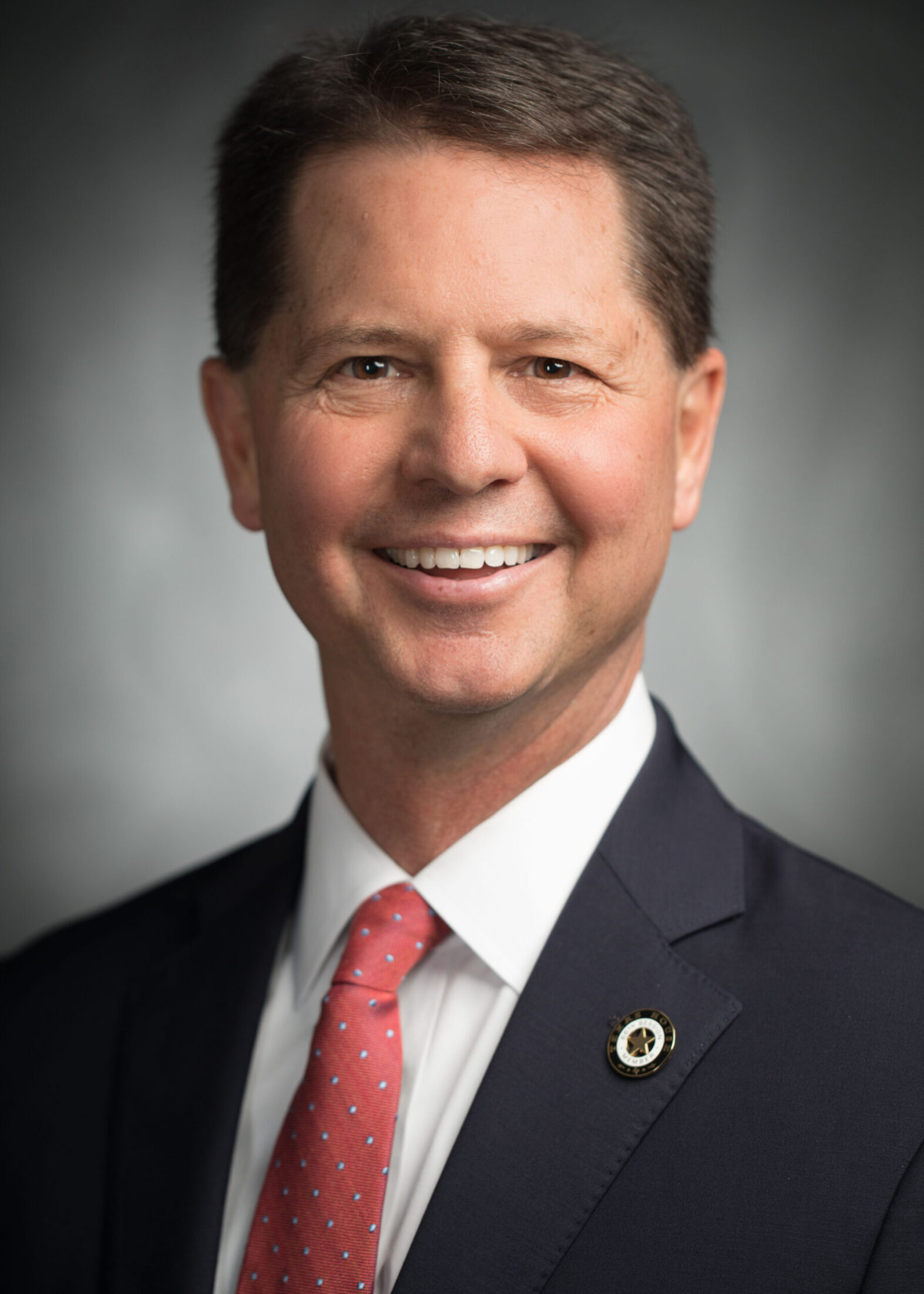
When Scott Sanford’s Faith, Family, and Freedom Meet Public Service
Scott Sanford’s public service illustrates how strong nations are not built by laws alone. They are strengthened by families that nurture character, communities that serve one another, and leaders who recognize that freedom carries responsibility. Throughout American history, churches have often played a significant role in mentoring, disaster relief, counseling, food assistance, and volunteer service. This broader contribution explains why conversations about religious liberty frequently extend beyond church walls and become matters of public concern.
“Strong communities are built when faith, family, and freedom are protected together.” — Scott Sanford
Scott Sanford: A Life of Ministry and Public Service
Before serving in the Texas House of Representatives, Scott Sanford built a career in ministry and accounting. As a Certified Public Accountant and Executive Pastor at Cottonwood Creek Church, he gained firsthand experience serving families, churches, and local communities. Those experiences later influenced his work in the Legislature, where he represented his district from 2013 to 2023 and participated in debates affecting education, fiscal policy, religious liberty, and community life.
Scott Sanford and the Freedom to Worship Act
The COVID-19 pandemic challenged governments around the world to balance public health with constitutional freedoms. Restrictions on public gatherings also affected churches and other places of worship, raising important legal questions about the limits of government authority during emergencies. Against this backdrop, Sanford authored House Bill 1239, widely known as the Freedom to Worship Act. The legislation sought to ensure that churches and other places of worship would not again be ordered closed under circumstances similar to those experienced during the pandemic. Supporters viewed the measure as an important protection for religious liberty, while others believed governments should retain broader emergency authority. The discussion reflected the continuing importance of constitutional rights in American democracy.
“Leadership is not about following the loudest voices. It is about standing for what is right, even when it is difficult.” — Scott Sanford
Scott Sanford: Protecting the Vulnerable
Sanford also authored legislation encouraging churches and nonprofit organizations acting in good faith to report prior sexual abuse allegations to a person’s current or prospective employer. The measure was designed to promote transparency, protect children and vulnerable adults, and reduce opportunities for individuals with credible abuse histories to move between organizations without appropriate disclosure. Rather than replacing the judicial process, the law encouraged responsible reporting while allowing allegations to proceed through established legal channels.
Scott Sanford, Faith, History, and America’s Foundations
America’s founders held differing religious views, yet many were deeply familiar with the Bible and its moral teachings. Biblical language, principles of justice, human dignity, and personal responsibility influenced much of the public discourse surrounding the nation’s founding. In 1782, the Confederation Congress commended Robert Aitken’s English-language Bible, recognizing its value at a time when copies were scarce. While the Constitution protects religious freedom rather than establishing a national church, America’s early history demonstrates that faith and civic virtue were widely viewed as partners in sustaining liberty.
A Nehemiah Reflection
Scott Sanford’s years in ministry and public office invite comparison not with biblical figures themselves but with enduring biblical principles. Nehemiah combined prayer with practical leadership, rebuilding a broken community through courage, planning, and perseverance. Likewise, public service today calls for integrity, humility, accountability, compassion, and faithful stewardship regardless of political affiliation.
“Public service is measured not by the number of bills passed, but by the lives strengthened through them.” — Scott Sanford
Scott Sanford and the Meaning of Leadership
Scott Sanford’s example highlights a truth about leadership: public trust grows when words and actions remain consistent. Citizens may disagree on policy, but they expect honesty, preparation, and respect from those who represent them. Effective leaders listen, explain their decisions clearly, and accept responsibility when outcomes fall short. They also understand that laws alone cannot repair every social problem. Families, churches, schools, charities, and local organizations must work together to strengthen neighborhoods and support people in crisis. This shared responsibility does not erase the proper boundaries between government and religion. Instead, it recognizes that healthy communities depend on many institutions performing their roles faithfully. Scott Sanford’s ministry experience and legislative service brought those worlds into conversation. His career therefore raises an enduring question for every public servant: Will leadership pursue influence for its own sake, or will it use authority to protect freedom, encourage accountability, and serve people with integrity?
In conclusion, Scott Sanford’s legislative record reflects an effort to address both constitutional freedoms and institutional responsibility. His work on religious liberty and the protection of vulnerable people continues to contribute to discussions about faith, public policy, and community life.
Following America’s historic 250th anniversary celebration, the nation has an opportunity to reflect not only on its remarkable history but also on the values that have sustained its liberty and will help shape its future. Strong families, trustworthy institutions, responsible citizens, and principled leadership remain essential to the future of every free society. Recovering those enduring virtues does not require abandoning constitutional freedoms; it requires living them with wisdom, character, and respect for one another. For many Americans, the national motto remains both a reminder and an aspiration: In God We Trust.