
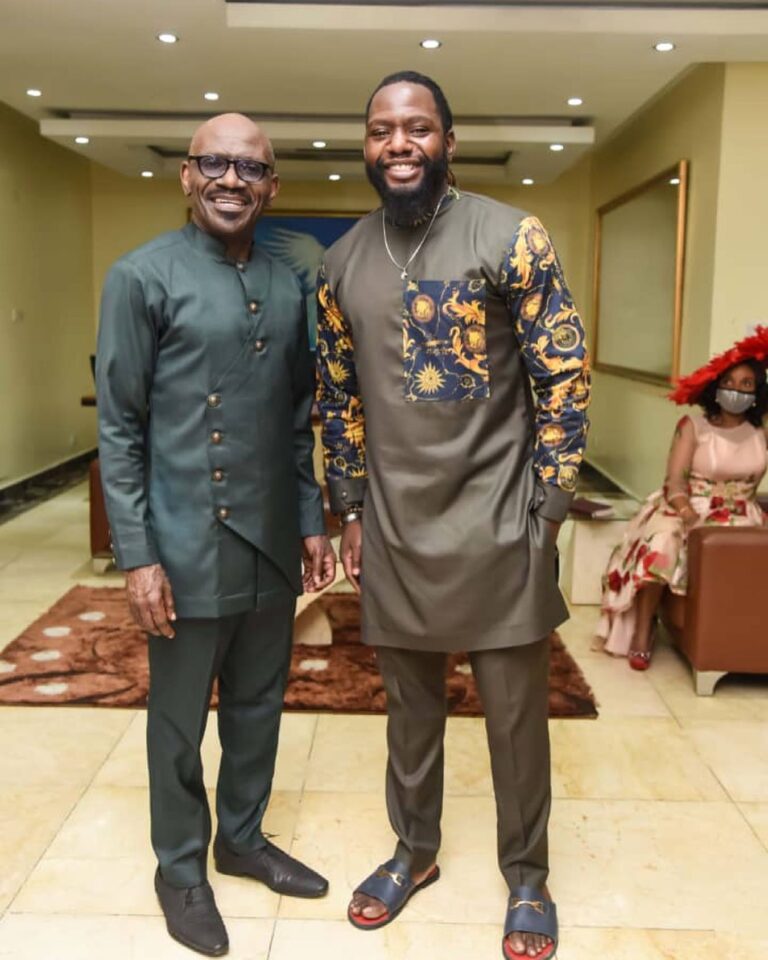
Fountain of Life Church Crisis: Was Jim Obazee Right After All?
The Fountain of Life Church crisis has troubled me, not because I know who deserves to lead the church, but because I think about the people who call it home. Behind every public statement are worshippers who have given their money, time, prayers and years of service. Some were married there; others found comfort there when life became unbearable. Whatever the court eventually decides, those people deserve a church whose leadership disagreements do not destroy the community they helped build. I also think of young believers watching from outside. If we preach humility and stewardship, they should see those values when decisions become difficult. Our witness is tested in disagreement.
Why the Fountain of Life Church Crisis Matters
Following Pastor Taiwo Odukoya’s death in August 2023, his son Jimmy became Senior Pastor and Chairman of the church’s Board of Trustees. In November 2026, members of that same board, chaired by Jimmy, announced his removal as Senior Pastor, citing succession instructions left by his father. However, Jimmy and some church members rejected the decision, questioning its constitutional validity.
On November 18, the Lagos State High Court granted interim orders restraining Jimmy from presenting himself as Senior Pastor and Spiritual Head. These orders are not a final judgement, and the parties must have the opportunity to make their case. Still, the dispute exposes a question that reaches beyond one ministry: who provides independent oversight when a church’s spiritual leader also chairs its governing board?
Jim Obazee and the FRC Governance Debate
That question reminds me of Jim Obazee, the former Executive Secretary of Nigeria’s Financial Reporting Council (FRC). Under his leadership, the Council introduced the 2016 Not-for-Profit Organisations Governance Code; please read. It sought to address concentrated administrative power, relationships among trustees and executive leaders, and the need for greater accountability. It also distinguished spiritual responsibilities from corporate governance, although its tenure and age provisions drew serious criticism.
Many religious leaders feared government interference in matters of faith. Their concerns deserved consideration. In January 2017, the government suspended the code, and Obazee left office. It would therefore be wrong to suggest that the suspended rules currently determine Jimmy’s right to lead Fountain of Life. But does rejecting that code mean we should also reject the questions it raised?
Who Holds the Chairman Accountable?
Holding the offices of Senior Pastor and Board Chairman does not automatically establish misconduct or illegality. However, it can weaken the appearance of independent oversight unless the church has safeguards. If trustees need to question the Senior Pastor’s decisions, who leads that discussion? If a conflict arises over finances, appointments or succession, who ensures that everyone can speak freely and that the constitution takes priority over personal loyalty?
These are not allegations against Jimmy Odukoya. They are practical questions for any church where power rests in a few hands. A gifted pastor may welcome accountability because it protects his reputation as well as the congregation. Likewise, trustees must be accountable themselves. A board should protect a ministry, not become another authority that nobody can question. The Fountain of Life Church crisis shows why trustees need defined duties, transparent decisions and freedom to raise objections without fear. Pastors deserve fair treatment too, including clear procedures for answering concerns rather than learning about them through public accusations.
Why Government Oversight Matters
I believe government has a legitimate responsibility to regulate the financial and administrative affairs of religious institutions within the limits of the law. Congregations contribute far more than offerings. They volunteer, renovate buildings, organise programmes and sometimes devote their working lives to a ministry. Their sacrifices deserve proper records, transparent handling of funds and mechanisms for addressing abuses.
Religious freedom does not mean every financial transaction or property decision is beyond scrutiny. At the same time, regulation must not become a licence for officials to select pastors or dictate doctrine. Nigeria’s Court of Appeal, in September 2026, invalidated several provisions that had granted the Corporate Affairs Commission sweeping powers over incorporated trustees. That judgement makes the boundary important: the state can protect lawful accountability without taking over spiritual leadership.
Succession Is Too Important for Assumptions
A founder’s child may be sincerely called and qualified to lead. Someone outside the family may be equally qualified. Neither inheritance nor hostility toward a founder’s family should settle succession. Churches need clear constitutions, recorded decisions and fair ways to test disputed claims. Otherwise, what should be a period of mourning and transition can become a lasting struggle over who speaks for the institution.
This is why the FRC should explain which governance requirements currently apply to religious organisations. Its replacement Not-for-Profit Governance Code was awaiting ministerial approval in a February 2026 update, so its present status must not be assumed.
As for the Christian Association of Nigeria (CAN) and the Pentecostal Fellowship of Nigeria (PFN), I honestly expect very little from either organisation. Over the years, I have become increasingly disappointed by what I perceive as their silence on critical issues affecting the integrity of the Church. At moments when their voices should be heard clearly, defending the gospel, promoting accountability and challenging conduct that undermines our Christian witness, they have too often appeared reluctant to speak. If the Church cannot consistently hold its own leadership accountable, we should not be surprised when government regulators and the courts are called upon to address matters that responsible internal governance could have prevented.
My previous thoughts on PENTIRASCALS. Click and read
Protect the People, Not Just the Positions
My greatest concern is for the ordinary members and Pastor Taiwo and Bimbo Odukoya’s legacy. Courts can settle legal rights, but a judgement alone cannot repair broken relationships. Leaders on every side should ask whether their words and actions are preserving the trust of those they serve. Scripture’s call to do things decently and in order applies in the boardroom as surely as it does during Sunday worship.
Jim Obazee might not have got everything right. Yet his controversial initiative asked questions that remain relevant today. The Fountain of Life Church crisis does not prove his code would have prevented this disagreement. It does show why independent oversight, fair succession procedures and lawful regulation deserve serious attention. Accountability does not weaken the Church; it protects the people who have sacrificed to build it.
Let’s Talk: Who Is Protecting the Church?
I have a question for every pastor, church leader, trustee, and member reading this: If a leadership crisis broke out in your church tomorrow, would its constitution protect the congregation, or would everything depend on who has the most influence?
Should one person serve as both Senior Pastor and Chairman of the Board of Trustees? And when people have given their money, time, talents, and sometimes an entire lifetime to building a church, who ensures that their sacrifices are protected?
I genuinely want to hear what you think, even if you disagree with me. Have you witnessed a church leadership dispute that could have been avoided through better governance?
Please share your thoughts in the comments and pass this article on to a pastor, trustee, or fellow believer. We should not have to wait until another church is torn apart before having this conversation.