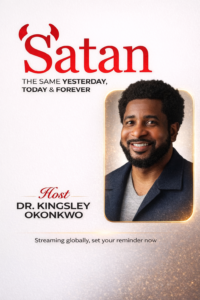
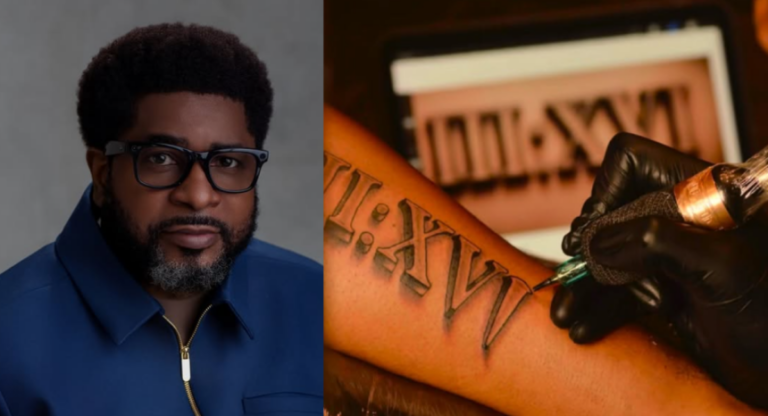
The Pastor Kingsley tattoo controversy has become one of the most discussed Christian conversations online in recent days. For some believers, it appears to be a harmless personal expression. For others, it feels like a confusing signal from a respected shepherd. Either way, the issue is bigger than ink. It is about influence, clarity, and what younger believers learn when leaders make public choices.
“A public example is never a private decision.”
When a pastor’s action becomes a public reference point, the Church is forced to wrestle not only with freedom, but with responsibility.
Why the Pastor Kingsley Tattoo Controversy Matters Beyond Personal Freedom
Many Christians instinctively ask, “Is it allowed?” Scripture also pushes a deeper question: “Is it wise, and will it help others grow?” That distinction matters because Christianity is not lived in isolation. Leadership multiplies responsibility, and what a pastor does can become a shortcut for what others assume is safe, even when they have not searched the Scriptures for themselves.
To read more about PFN and CAN accountability and moral silence in the church, click here
Accountability and Moral Silence in the Church
This is why the Pastor Kingsley tattoo controversy has stirred strong reactions. Not everyone is responding to doctrine alone. Many are responding to what this moment might normalize. A mature believer may pause, pray, and study. A younger believer, however, may imitate quickly. When imitation happens without maturity, confusion quietly becomes culture.
“What you permit in your life can become permission in someone else’s.”
This is also a moment for intentional discipleship, both in churches and at home. Discernment is not automatic; it must be taught.
Jesus’ Warning About Causing Believers to Stumble
Jesus spoke with sobering clarity about spiritual harm, especially to vulnerable believers. In Matthew 18:6, He warned that anyone who causes one of His “little ones” to stumble faces severe judgment. The same warning appears again in Mark 9:42 and Luke 17:2.
This is not a verse reserved only for extreme scandals. It is a warning that should humble anyone with influence—pastors, parents, and visible Christian voices alike. The question it raises is simple but weighty: does my example make Christ easier to follow, or harder?
To read about Pastor Matthew Ashimolowo officiated a wedding: questions raised, click here.
When the Church feels unsettled, wisdom does not dismiss concern. Wisdom teaches carefully, clarifies motives, and protects those who are still growing.
Tattoos, the Bible, and the Weight of a Public Example
The biblical conversation around tattoos is not new. Some believers reference Leviticus 19:28 and conclude that marking the body does not align with holiness. Others emphasize that New Testament teaching focuses strongly on the heart, conscience, and devotion to Christ, noting that not every Old Covenant instruction is applied in the same way under the New Covenant.
Christians can disagree on this point, and they should do so with humility. Yet leadership changes the conversation. A private believer can make a personal decision and carry it quietly. A public pastor makes a decision that becomes a public signal. Even when the intention is evangelistic, the outcome can still create spiritual noise for those who are weaker in discernment.
“Not everything that is allowed is wise, and not everything wise is popular.”
That is why the Pastor Kingsley tattoo controversy should not be handled with mockery or blind defence. It should be handled with sobriety. Leaders must ask whether their choices strengthen faith or blur boundaries. Parents must ask whether their children will understand such actions biblically or simply imitate them emotionally. Believers must ask what Scripture instructs their conscience to do.
PFN and CAN: A Silence Many No Longer Question
The Pastor Kingsley tattoo controversy has also exposed a deeper concern within the Nigerian Christian space: the quiet posture of institutional church leadership. Bodies such as the Pentecostal Fellowship of Nigeria (PFN) and the Christian Association of Nigeria (CAN) were established to provide moral clarity, doctrinal balance, and a unifying spiritual voice during moments that test the conscience of the Church.
Yet many believers no longer anticipate clear guidance from these bodies in moments that demand courage. Over time, confidence has weakened, and when credibility is strained, moral authority tends to fade with it. In such an atmosphere, silence feels predictable—not because the Church does not need direction, but because trust has not been consistently sustained.
This observation is not written to insult anyone. It reflects what many Christians quietly acknowledge. The Church needs voices that speak with Scripture, conviction, and consistency—voices that restore priorities rather than avoid tension.
A Message to Christian Leaders and Parents
Christian leaders must remember that visibility multiplies responsibility. If a decision sits in a grey area, it requires more clarity, not less. It demands careful teaching and pastoral sensitivity, because younger believers may copy the action without the wisdom to carry it rightly.
Parents also have a critical role. This is a discipleship moment. Children must be taught how to honor spiritual leaders without turning them into standards of truth. They must learn how to test what they see against God’s Word and how to form convictions rooted in Scripture rather than trends.
Accountability, Discernment, and the Day No Excuse Will Stand
In conclusion, the Pastor Kingsley tattoo controversy should drive the Church back to discernment, not division. It should also humble every leader who enjoys public influence. Jesus issued one of the most unsettling warnings in Matthew 7:22–23, where many will claim they preached and did mighty works in His name, yet still face rejection because their lives did not truly align with Him.
Believers must take personal responsibility. Examine what leaders do through Scripture and the guidance of the Holy Spirit, then follow what the Lord forms in your conscience through His Word. When the final day comes, pointing to a pastor, a movement, or an organization will not stand as justification. Each person will answer for personal obedience.
So what should the Church take from this? Did it leave believers unsettled, or did it lead more people to Christ? Look closely at the fruit, return to Scripture, and decide with a sober heart.
The wisest course is simple obedience: respect spiritual leaders, examine actions through Scripture, and follow the Lord with a clear and faithful conscience.
If this article stirred you, share it with a pastor, a parent, or a young believer, and start a calm, Bible-centered conversation in your circle.
Matthew 18:6 Mark 9:42 Luke 17:2 Leviticus 19:28 Matthew 7:22–23