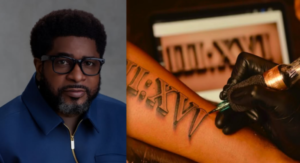

Tonto Dikeh’s reconciliation story has reignited a necessary conversation about forgiveness and reconciliation, especially when hurt has lasted for years, and the public has plenty to say. When people hear that peace is being pursued after a long season of conflict, reactions are rarely neutral. Some applaud it. Others criticize it. Many question motives. Yet the deeper lesson is not about the noise around the decision. The real lesson is about what happens inside the heart when pain is carried for too long.
Forgiveness and reconciliation are more than relationship language. They also become personal healing language. Forgiveness does not rewrite the past, and reconciliation does not always mean returning to what once was. Still, both can create emotional freedom—freedom from bitterness, from constant reliving, and from the need to build a healthier future.
“Forgiveness is not approval of what happened; it is a decision to stop letting it control you.”
When Conflict Becomes a Long-Term Burden of Forgiveness and Reconciliation
Public conflict often masks private damage. When disagreement lingers for years, it stops being a season and starts becoming an identity. People begin to live with tension as if it is normal. They rehearse pain until it feels familiar. Over time, anger turns into resentment, and resentment becomes a weight the heart drags everywhere.
To read more about divorce and marriage, click here
In situations involving children, the burden grows heavier. Many adults assume children are unaware because they are not present during arguments. But children notice atmosphere. They sense coldness, silence, and unresolved hostility. Even when parents speak politely, tension can still leak into the environment and shape how children view love, trust, and stability.
That is why forgiveness and reconciliation matter beyond romance. They protect emotional safety. They also influence the future and strengthen mental and spiritual well-being. Peace between adults is not only a gift to the adults; it becomes protection for the children caught in the middle of unresolved pain.
“Children may not understand the details, but they always feel the temperature of the home.”
Forgiveness and Reconciliation Are Not Weakness
Many people misunderstand forgiveness as surrender. In reality, forgiveness is strength with direction. It takes maturity to release the right to keep replaying the offence, and it takes courage to choose healing over hostility and peace over pride.
Forgiveness does not mean the pain was small. It means the pain will no longer control the person who suffered it. It does not excuse wrongdoing or remove accountability. Instead, it draws a line between what happened and what will continue to happen emotionally, saying, “This wound will not become my prison.”
Are you in a relationship or situationship? To read more, click here
Reconciliation, when it is possible and healthy, is another step. But it also needs clarity. Forgiveness and reconciliation do not always result in a restored marriage or a romantic reunion. Often, reconciliation looks like respectful communication, stable co-parenting, and emotional boundaries that keep the future from being poisoned by the past.
Tonto Dikeh’s reconciliation story points to this reality. Peace can exist even when a relationship does not return to its former shape. Hearts can soften without pretending history never happened.
“Reconciliation is not always reunion; sometimes it is simply peace with boundaries.”
Choosing Peace Before It Costs More
For anyone living with long-standing conflict, it helps to remember that pain does not pause life until eternity. Years can pass while anger quietly damages the present. When children are involved, the cost rises even higher, because they often absorb the tension and carry it into their own worldview.
Many people carry emotional wounds for years without realizing the cost. Over time, resentment reshapes the heart and affects daily decisions. When anger stays unresolved, it quietly delays peace and emotional clarity.
Yet what once felt like a silent ache does not have to remain a silent prison. Pain can be redirected into reflection. Hurt can become prayer. Confusion can become a cry for healing. Over time, those quiet moments can soften the heart—not necessarily so that two people become lovers again, but so everyone involved becomes freer from hatred, resentment, and emotional captivity.
This is one of the greatest gifts of forgiveness and reconciliation: release. Not every story ends with a reunion, but every story can move toward peace. Even if the relationship never returns to what it used to be, healing can still happen. Cooperation can still happen. Emotional stability can still happen. Children can still experience safety.
And for those who believe, Jesus Christ is ready to carry what the heart was never designed to hold alone. When the weight feels too heavy, surrender is not weakness—it is wisdom.
Tonto Dikeh’s reconciliation story reminds us that forgiveness and reconciliation are not primarily about proving a point to the public. They are about restoring peace within the soul, protecting the children involved, and ending the slow damage that years of anger can cause. Peace does not begin only in heaven. It can begin now—when the heart chooses to let go.
If you are carrying years of anger, resentment, or unresolved pain, consider this: what you are holding may be costing you more than the person who hurt you. Choose one step toward peace today—through prayer, honest reflection, or a respectful conversation focused on healing and healthy boundaries.
What has helped you practice forgiveness and reconciliation in difficult situations? Share your thoughts in the comments, and if this message encouraged you, share it with someone who needs hope.