
A Viral Story That Left Millions Asking the Same Question
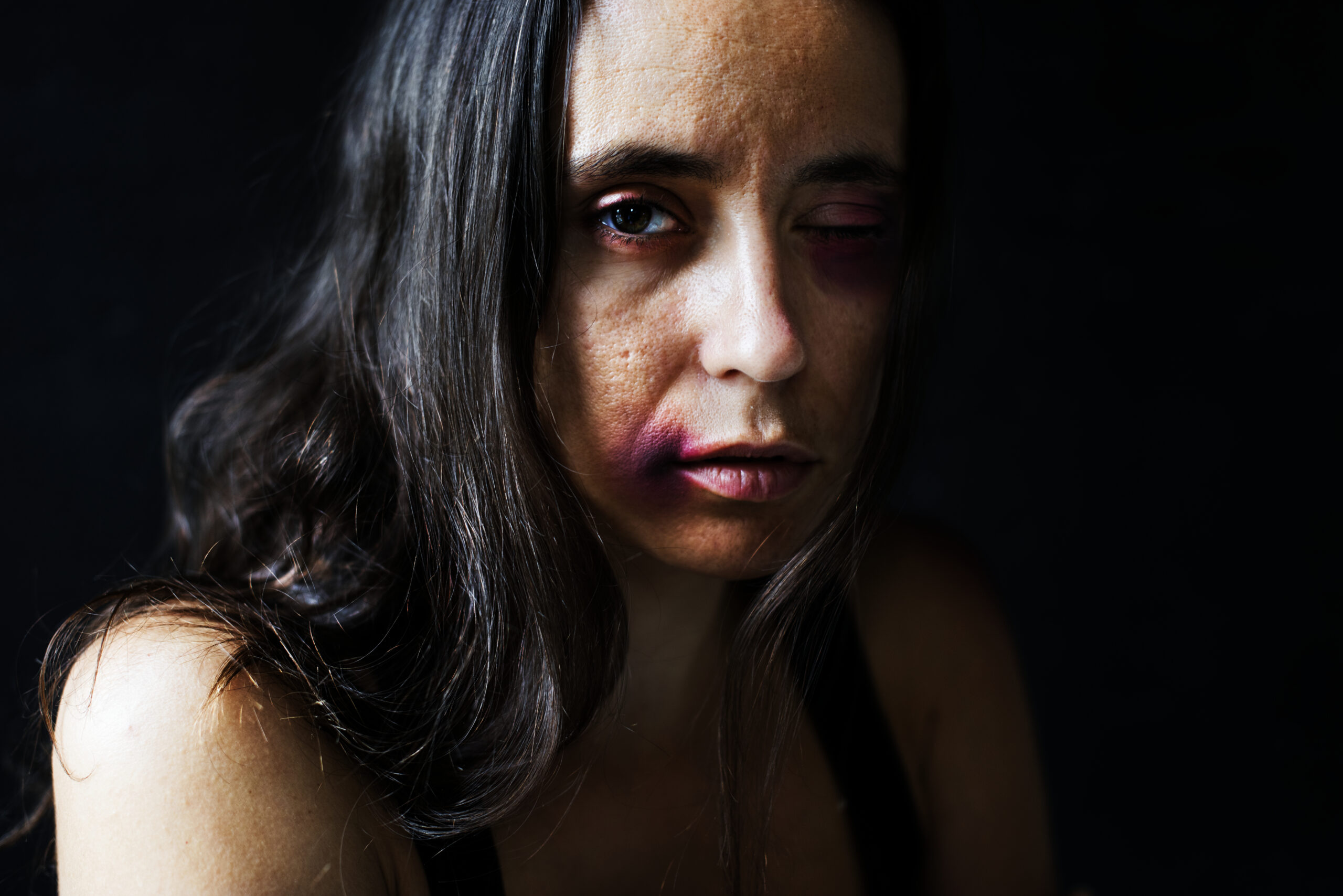
The recent viral story from Nigeria has reopened an important conversation about why abuse victims protect their abusers. An 18-year-old wife who allegedly suffered abuse was seen receiving medical attention while pleading with people not to arrest her husband. Her reaction shocked many people, but it also revealed how fear, emotional control, and trauma bonding can silence a victim.
Many viewers asked why she would defend someone accused of hurting her. The deeper issue is that abuse can reshape thinking long before the public sees bruises or tears. Some victims protect their abusers because they fear retaliation, blame, shame, poverty, rejection, or the collapse of the only support system they think they have.
This is why the conversation must move beyond judgment. When society only asks why a victim stayed, it may miss the more important question: what kind of fear, manipulation, or isolation made leaving feel impossible?
The Hidden Prison Behind Why Abuse Victims Protect Their Abusers
Abuse is not only bruises, broken bones, and hospital visits. Long before violence becomes visible, abusers often isolate victims from friends and family, criticize them repeatedly, manipulate their emotions, intimidate them, and blame them for problems they did not create.
Over time, confidence gives way to fear, independence gives way to dependence, and clarity gives way to confusion. Victims may begin to question their judgment, doubt their worth, and believe they cannot survive without the very person hurting them. This is why abuse is often described as a prison without walls.
“The most dangerous chains are often the ones nobody can see.”
When Fear Explains Why Abuse Victims Protect Their Abusers
One reason abuse victims protect their abusers is trauma bonding. This happens when apologies, affection, promises, gifts, and temporary improvements follow cruelty. The victim remembers the good moments and keeps hoping the loving version of the abuser will return permanently.
In that cycle, the person creating fear becomes the same person offering comfort. What looks confusing from the outside can feel emotionally logical inside the relationship. The victim may still love the person, fear losing the relationship, or believe that patience will eventually change the abuse.
Who is a Matrihero? Click here
Another painful part of abuse is the gradual destruction of self-confidence. When someone hears insults, threats, blame, and criticism repeatedly, those words can become an inner voice. The victim may begin to feel responsible for everything that goes wrong, including the abuser’s violence. That is why some victims apologize after being harmed or plead for their abuser to be protected from consequences.
“The goal of abuse is not only to control the body but also to control the mind.”
Why Abuse Victims Protect Their Abusers Despite the Pain
Victims may fear retaliation, poverty, homelessness, loneliness, family rejection, public embarrassment, losing access to their children, or not being believed. Some also fear that reporting the abuse will make the situation more dangerous once the public attention fades.
Read more about the victim. Click here
Repeated manipulation can make victims accept blame for another person’s violence. Many victims do not stay because they are weak. Many victims stay because fear has convinced them that they have no better option. Understanding why abuse victims protect their abusers helps families respond with compassion instead of condemnation.
“Abuse becomes most dangerous when the victim begins to believe the abuse is their fault.”
A Message to Every Man Reading This
A real man does not use fear to maintain authority, mistake control for leadership, or use intimidation to command respect. Strength is not measured by the ability to dominate another person but by self-control, responsibility, patience, and protection.
Any man can raise his hand in anger, but a responsible man learns how to control it. Love should create security, not fear. Love should protect, not harm.
A Message to Families and Communities
Families and communities must stop treating abuse as a private matter that should be hidden for the sake of appearances. When warning signs appear, they should not be ignored. When someone repeatedly reports mistreatment, those concerns should not be dismissed. When injuries become visible, they should not be explained away.
Too many victims remain trapped because they fear judgment more than they trust support. A family name is never more important than a human life. Communities should become places of refuge where victims can speak without shame, ask for help without fear, and find safety before the situation becomes a tragedy.
A Message to Anyone Living With Abuse
If you are currently experiencing abuse, you do not have to face it alone. You are not responsible for another person’s violence, anger, threats, or inability to control their behavior. Seeking help is not betrayal, reporting abuse is not wickedness, and protecting your life is not selfishness.
You do not have to suffer in silence. Your safety matters. Your dignity matters. Your future matters.
The story of the young wife who reportedly begged for her husband’s freedom is more than a viral moment. It reminds us that abuse can reshape emotions, distort judgment, and convince victims to protect the very people causing their suffering.
If you are experiencing abuse, please know that you are not alone. There are moments when fear can make silence feel safer, but your safety, dignity, and peace of mind matter.
While this platform cannot replace emergency services or professional legal assistance, it can offer encouragement, a listening ear, and guidance toward individuals and organizations that may be able to help.
If this article spoke to you, please share it with someone who may need courage, clarity, or support today. Abuse grows stronger in silence, but honest conversations can help victims feel seen, heard, and less alone.
You can also drop a comment to share your thoughts, follow @iamsojiolateru for more relationship and family conversations, and visit SojiOlateru.com for more articles that speak to the heart of family, marriage, healing, and society.
For private support or to share your story, please use the Contact Me page on this blog. You do not have to suffer in silence, and you do not have to walk through fear alone.
Love should never leave you afraid to go home.